THE DEPOSIT OF FAITH

The word is near you, even in your mouth, and in your heart:
that is, the word of faith, which we preach.
Romans 10, 8
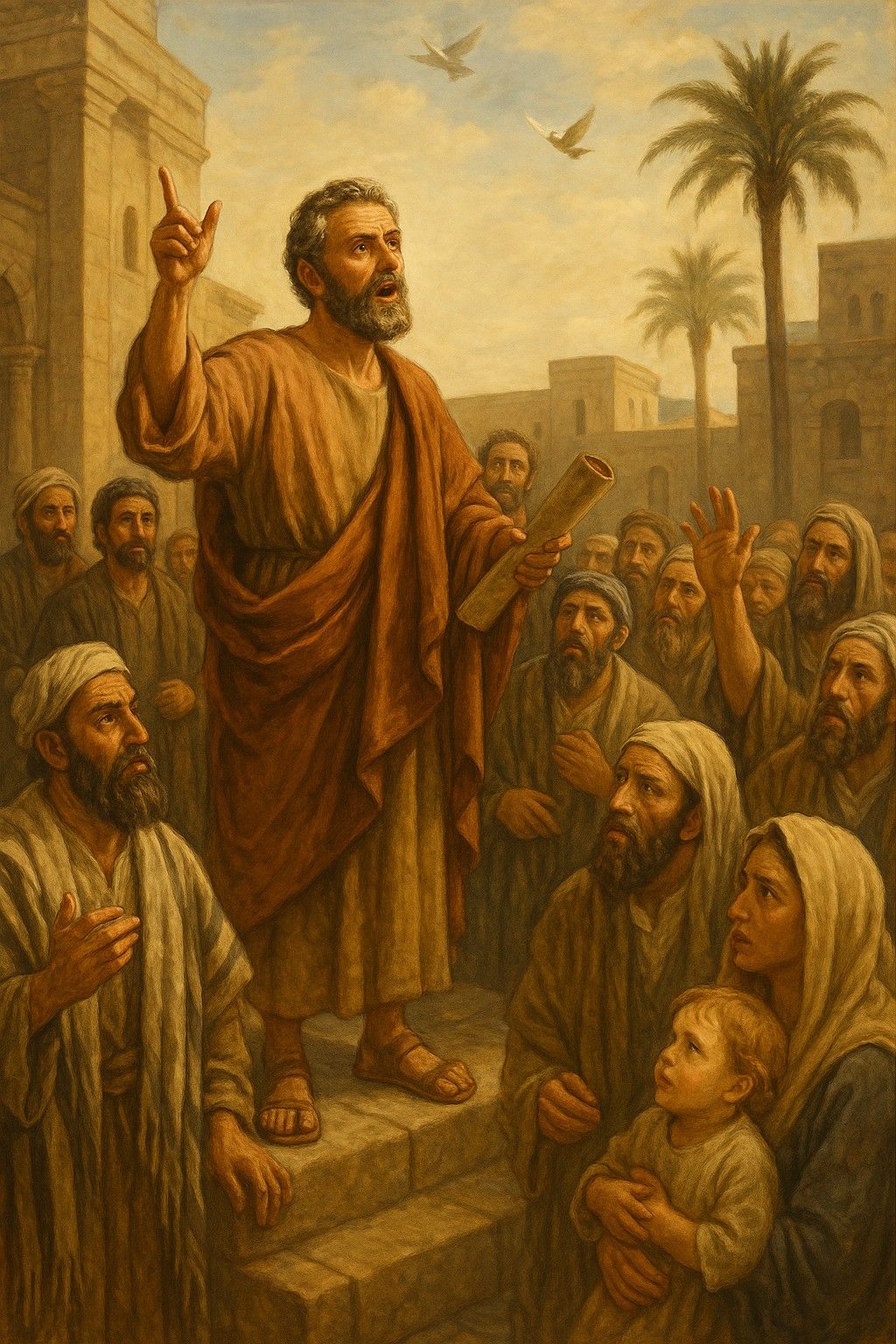
The text from Romans 10:8 emphasizes the accessibility and immediacy of faith. It suggests that the “word”—understood as the message of faith or the gospel—isn’t distant or difficult to grasp; rather, it is close to us, both verbally (“in your mouth”) and emotionally or spiritually (“in your heart”). This proximity indicates that faith is something everyone can embrace and articulate. The reference to the word being “in your mouth” suggests that it is ready to be spoken or proclaimed, while being “in your heart” implies a deep, personal acceptance of that faith. This ties into the broader message of the passage, which encourages believers to confess their faith openly and sincerely, emphasizing that belief in the heart leads to salvation.
In terms of apostolic preaching authority, this scripture reflects the role of the apostles as the authorized messengers of Christ’s teachings (cf. 2 Thess. 3:6; Gal. 1:8, 11-12) The apostles were commissioned to spread the gospel and establish the Church, serving as the primary bearers of the faith. Their preaching was not just about delivering information; it was about imparting salvation through faith in Jesus Christ. Romans 10:8 serves as a reminder that the message of salvation is meant to be internalized (“in your mouth and in your heart”), which emphasizes the transformative nature of faith that the apostles sought to instill in their listeners.
Additionally, this verse ties into the idea of the deposit of faith — the body of revealed truth in the Scriptures and Traditions that the Church is bound to uphold. The “word” mentioned in Romans serves as a reflection of this deposit, as it encapsulates the core message of salvation and faith that the apostles received from Christ. The exhortation to have this word in one’s heart and mouth indicates a call to live out and communicate one’s faith, rooted in the teachings passed down through the apostolic tradition. Thus, Romans 10:8 highlights the closeness of God’s word to believers and emphasizes the importance of personal faith, as well as the responsibility of the apostles to preach this faith authoritatively, thereby contributing to the preservation and transmission of the deposit of faith within the Church.

I commend you because you remember me in everything and maintain the traditions
just as I handed them on to you.
1 Corinthians 11, 2
Sacred Scripture is rooted in Sacred Tradition, which includes the teachings, practices, and beliefs transmitted through the centuries within the faith community. Understanding and interpreting Scripture within the context of this Tradition is essential, as it provides a framework and insights that clarify the intended meaning of the biblical texts. This relationship ensures that interpretations remain aligned with the original context and the lived experience of the faith community.
Scripture can be understood as the written manifestation of Tradition, which encompasses the teachings, beliefs, and practices that have been passed down through generations (cf. Joel 1:3). This sacred text serves not only as a historical record but also as a vital guide for faith and moral living, capturing the essence of spiritual knowledge and communal wisdom in a tangible form.
Tradition represents the unwritten word of God, embodying the oral teachings and practices that the Holy Spirit has communicated to the Church throughout history (cf. 1 Thess. 1:5; 2:13; 2 Thess 2:15; 2 Tim. 3:14). It encompasses the beliefs, rituals, and customs passed down through generations, playing a crucial role in the life of the Church. This divine guidance serves as a foundation for the faith, enriching the understanding of Scripture and helping to illuminate the path for believers as they seek to live out their faith in a contemporary context.
Hence, Sacred Scripture must never be divorced from Sacred Tradition for several compelling reasons. First, Sacred Scripture, which consists of the written Word of God, was initially transmitted within the context of the early Christian community that relied heavily on oral teachings and practices. These traditions provide the necessary interpretive framework that helps us understand the Scriptures accurately.
Moreover, Sacred Tradition encompasses the teachings and practices that have been passed down through generations, enriching our understanding of faith and guiding our moral and spiritual lives. By remaining connected to Sacred Tradition, we maintain continuity with the beliefs and practices of the early Church, ensuring that our interpretation of Scripture is aligned with the intentions of the original authors.
Additionally, Sacred Tradition informs the Church’s Magisterium, or teaching authority, allowing it to discern and declare matters of faith and morals authoritatively. This interplay between Scripture and Tradition establishes a dynamic relationship where both sources of divine revelation work together to nurture a deeper faith and more authentic understanding of God’s will in our lives. Thus, the integration of Sacred Scripture and Sacred Tradition is essential for a holistic approach to Christian faith that honors both the written Word and the living tradition of the Church.
EARLY SACRED TRADITION
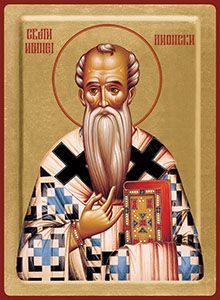
Irenaeus of Lyons (inter A.D. 180/199)
Against Heresies 3,1; 3,5,1
‘The apostles at that time first preached the Gospel but later by the will of God,
they delivered it to us in the Scriptures, that it might be the foundation and pillar of our faith.”
“Since, therefore, the tradition from the apostles does thus exist in the Church, and is permanent among us, let us revert to the Scriptural proof furnished by those apostles who did also write the Gospel, in which they recorded the doctrine regarding God, pointing out that our Lord Jesus Christ is the truth, and that no lie is in Him.”
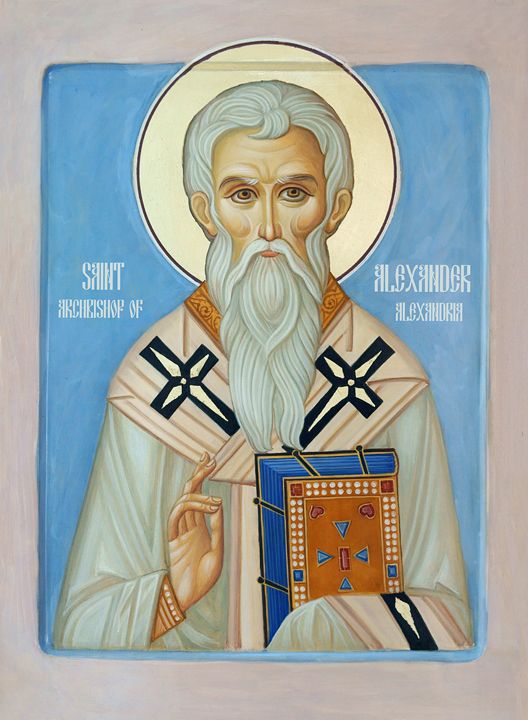
Clement of Alexandria (c. A.D. 205)
Stromata 1,11
“But they, safeguarding the true tradition of the blessed teaching, which comes straight from the Apostles Peter, James, John and Paul and transmitted from father to son have come down to us with the help of God to deposit in us those ancestral and apostolic seeds.”
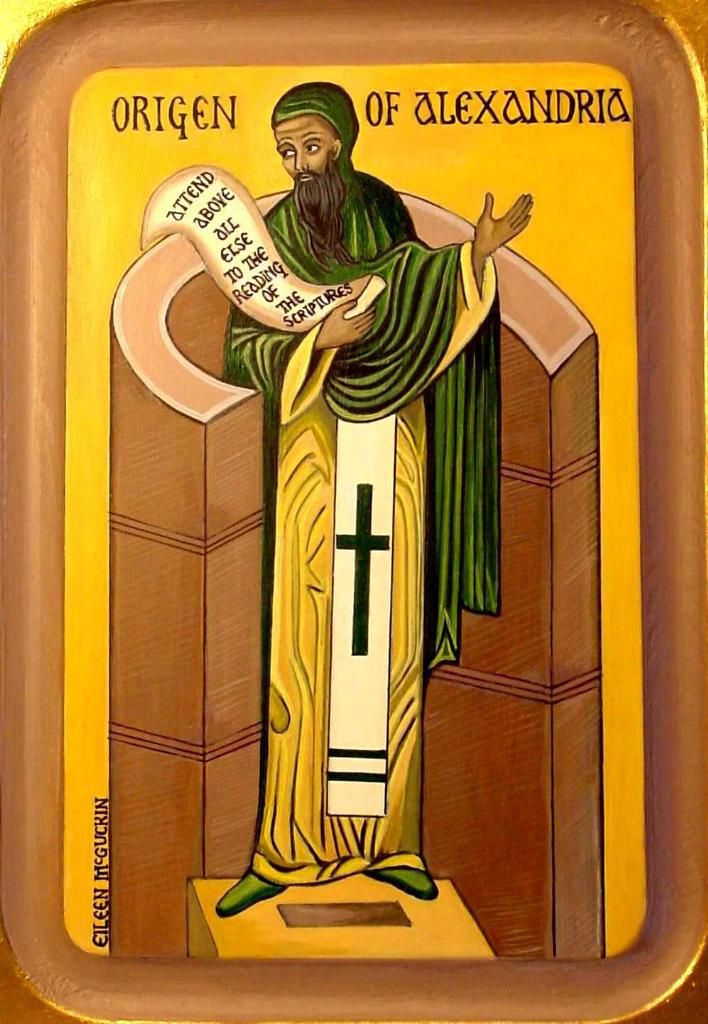
Origen (c. A.D. 230)
First Principles 1,2
“The Church’s preaching has been handed down through an orderly succession from the Apostles and remains in the Church until the present. That alone is to be believed as the truth which in no way departs from ecclesiastical and apostolic tradition.”
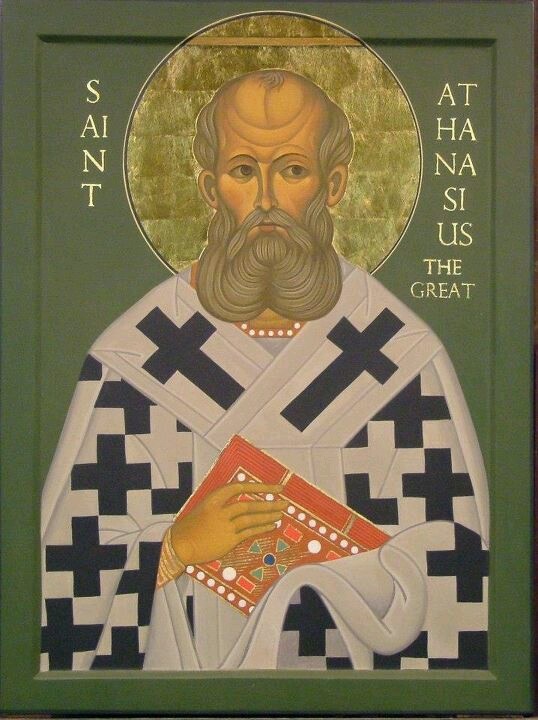
Athanasius of Alexandria (c. A.D. 350)
Festal Letter 2
“But after him (the devil) and with him are all inventors of unlawful heresies, who indeed refer to the Scriptures, but do not hold such opinions as the saints have handed down, and receiving them as the traditions of men, err, because they do not rightly know them nor their power”
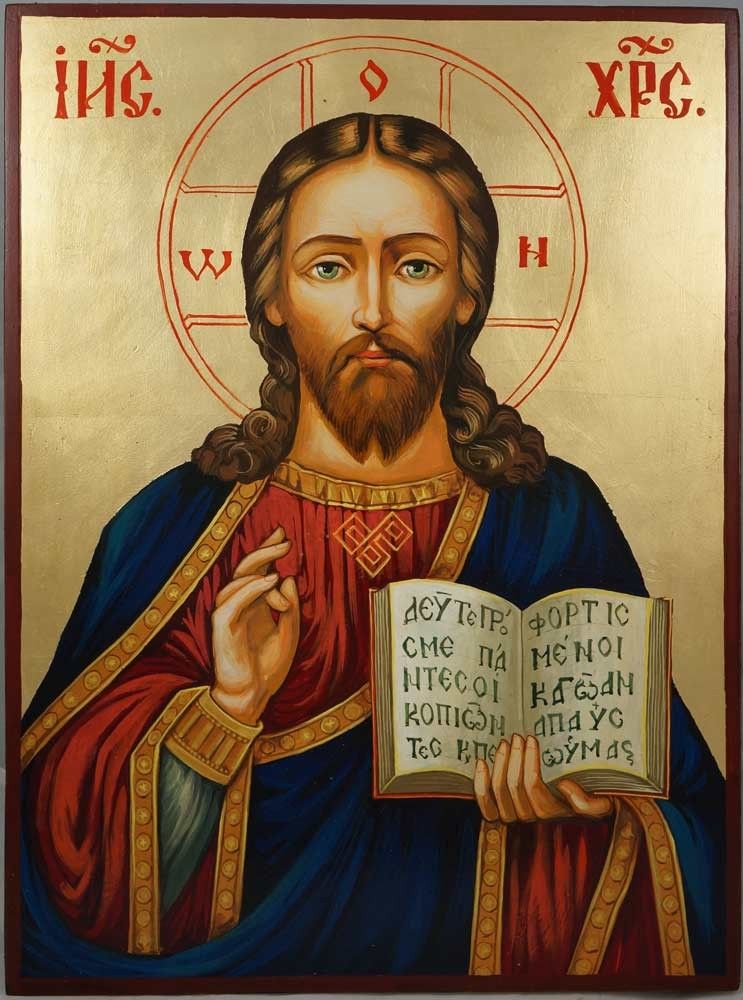
“I have much more to tell you, but you cannot bear it now. But when he comes, the Spirit of truth, he will guide you to all truth. He will not speak on his own, but he will speak what he hears, and will declare to you the things that are coming. He will glorify me, because he will take from what is mine and declare it to you.”
John 16, 12-14
PAX VOBISCUM
 Eternally Catholic
Leave a comment